

Solar System for Agricultural Land in Faisalabad 2026: Tube Well Cost, Solar Panels & Installation Guide
Farming depends on water, electricity, and the right timing. When electricity becomes expensive or diesel costs keep rising, irrigation can put serious pressure on a farmer's budget. Solar energy offers another way to power agricultural tube wells and water pumps.
A properly designed solar system can help farmers use sunlight to pump water during suitable daylight hours. However, every farm has different water requirements, motor loads, and site conditions. Choosing the right setup requires more than simply counting solar panels.
This guide explains how to plan a Solar System for Agricultural Land in Faisalabad, estimate your system requirements, compare solar pumping options, and prepare for professional installation.
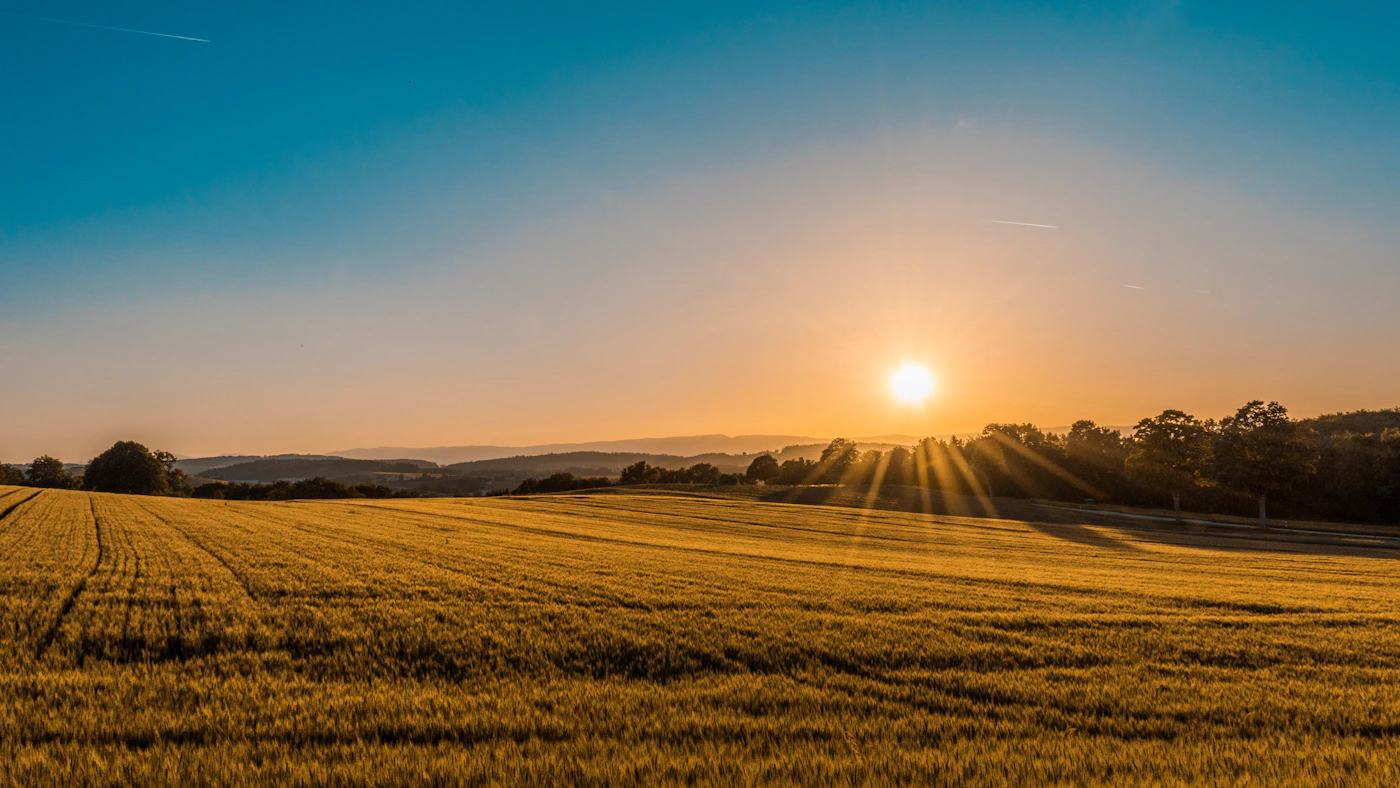
Quick Answer: Which Solar System Is Suitable for Agricultural Land?
The right agricultural solar system depends on your tube well motor, water depth, required water flow, daily pumping hours, and available sunlight. A small farm pump may need a very different system from a high-capacity irrigation tube well.
For many agricultural projects, a solar-powered pump with a compatible controller or variable frequency drive (VFD) can be considered. The final design should be based on a proper technical site assessment.
Planning Solar for Your Agricultural Land?
Get professional guidance for your farm, tube well, motor capacity, and solar installation requirements in Faisalabad.
Get Free Solar Consultation TodayWhat Is an Agricultural Solar System?
An agricultural solar system uses electricity generated by solar panels to support farming activities. One of its most common applications is water pumping for crop irrigation.
Solar panels convert sunlight into electrical energy. A compatible pump controller or inverter manages that energy to operate the water pump. The pump then moves water from a well, bore, or another water source to the fields.
Depending on the design, solar power can also support other farm requirements. These may include selected lighting, small electrical equipment, and agricultural operations that match the system's capacity.
For farmers considering a Solar System for Agricultural Land in Faisalabad, tube well solarization is often the main starting point. The most important question is whether the system can deliver the required water at the right time.
Why Are Faisalabad Farmers Considering Solar Tube Wells?
Faisalabad has a large agricultural sector, and irrigation is an important part of farm operations. Electricity-powered and diesel-powered tube wells can create ongoing operating expenses.
Solar power allows farmers to use available sunlight instead of depending entirely on purchased electricity or diesel during suitable pumping hours.
1. Reduce Dependence on Purchased Energy
A solar pumping system can reduce the amount of grid electricity or diesel needed for irrigation when solar production meets the pump's energy demand. Actual savings depend on how much energy the solar system supplies and what the farmer previously paid.
2. Use Daylight for Irrigation
Solar water pumps can operate during suitable sunlight conditions. This can help farmers schedule irrigation during the day instead of relying only on grid availability.
3. Improve Long-Term Energy Planning
After installation, solar pumping can reduce exposure to some ongoing fuel and electricity expenses. Farmers should still plan for cleaning, maintenance, repairs, and equipment replacement over time.
4. Support Agricultural Operations in Remote Areas
Some agricultural properties have limited or inconvenient access to grid electricity. A properly designed solar pumping system may offer an alternative, provided the site receives enough sunlight and the equipment meets the required pumping load.
Solar System Price for Agricultural Land in Faisalabad 2026
The total cost of an agricultural solar system depends on its capacity and the equipment required for your farm. A tube well with a powerful motor and deep water source may require a different setup from a smaller irrigation pump.
For this reason, there is no single reliable price for every agricultural solar installation in Faisalabad.
| Cost Component | What Affects the Cost? |
|---|---|
| Solar panels | Panel wattage, quantity, brand, and availability |
| Pump controller or VFD | Motor compatibility, voltage, current, and operating requirements |
| Water pump | Motor HP, pump type, discharge, and pumping depth |
| Mounting structure | Ground conditions, structure design, and installation height |
| Electrical protection | Cables, breakers, earthing, surge protection, and isolation |
| Installation | Site location, civil work, labour, transport, and project complexity |
| Optional battery storage | Required backup hours, usable capacity, and inverter compatibility |
Before accepting a quotation, ask for a complete equipment list. The quotation should clearly state the panel quantity, inverter or controller model, motor compatibility, mounting structure, protection equipment, labour, and warranty terms.
You can also review our guide to solar system installation costs in Faisalabad for additional information about system pricing.
Solar-Powered Tube Well Systems for Farms

A solar-powered tube well uses solar electricity to operate a water pump. The system can be designed around an existing electric pump or a suitable new pumping arrangement.
There are two common approaches to consider.
Solarizing an Existing Tube Well
If your farm already has a working electric tube well, the installer should first inspect its motor, pump, electrical connection, and water delivery performance.
The assessment helps determine whether the existing pump can work with a suitable solar controller or VFD. Some pumps may require changes or replacement before solarization.
Installing a New Solar Water Pump
A new solar pumping system may be designed specifically for the farm's water source and irrigation requirements. This allows the pump, solar array, controller, and supporting equipment to be selected together.
Before purchasing equipment, confirm the water source, required discharge, total pumping head, daily irrigation needs, and expected operating schedule.
How Many Solar Panels Do You Need for an Agricultural Tube Well?
The required number of solar panels depends on the pump's power demand and the wattage of each panel. However, motor starting requirements, controller specifications, sunlight conditions, and system losses also affect the final design.
For example, a 550-watt panel provides a different amount of installed capacity from a 600-watt panel. The number of panels cannot be selected correctly without knowing the total solar array capacity required.
A basic calculation is:
Number of Solar Panels = Required Solar Array Capacity (W) ÷ Panel Wattage (W)
This is a preliminary arithmetic calculation, not a complete pump-sizing method. The final panel arrangement must also satisfy the controller's voltage and current limits.
For instance, if a preliminary design calls for 11,000 watts of solar capacity and uses 550-watt panels, the arithmetic gives 20 panels.
This example only demonstrates the calculation. It does not mean that every 10 HP tube well needs 20 panels. The required array can vary with the motor, pump efficiency, water depth, controller, and operating conditions.
Solar System Size for Agricultural Land: 5kW, 10kW, 15kW, 20kW & 25kW
Solar system capacity is one part of agricultural planning. The correct size depends on the pump load and how much water your farm needs each day.
| Solar Capacity | Planning Consideration |
|---|---|
| 5kW | Evaluate for suitable smaller loads after checking pump compatibility. |
| 10kW | May suit some agricultural pumping applications, depending on the motor and operating conditions. |
| 15kW | Consider for higher energy demand after a detailed pump assessment. |
| 20kW | Requires careful matching with motor capacity and water delivery requirements. |
| 25kW | May be considered for larger loads, subject to technical design and site conditions. |
These capacities are planning categories, not guaranteed motor-to-system matches. A qualified installer should confirm the array size, inverter or VFD specifications, and expected water output before installation.
How to Size a Solar System for a 10 HP Tube Well
A 10 HP tube well is a useful example of why agricultural solar systems require proper engineering.
First, 10 HP is approximately 7.46 kW of mechanical power. However, this does not mean that a 7.46 kW solar array will always operate the pump correctly.
The motor's electrical input can be higher than its mechanical output because motors and pumps have losses. Solar output also changes throughout the day, while the motor needs suitable voltage, current, and starting conditions.
A professional sizing assessment should consider:
- Motor nameplate details and rated electrical input.
- Existing pump condition and efficiency.
- Static and dynamic water levels.
- Total pumping head and required water discharge.
- Daily irrigation hours and seasonal demand.
- Solar panel output under local operating conditions.
- Controller or VFD compatibility and protection requirements.
Never assume that every 10 HP motor requires the same solar panel count. Two farms with similar motors can have different pumping requirements because their water depths and irrigation needs differ.
On-Grid vs Off-Grid vs Hybrid Solar Systems for Agricultural Land
Choosing the right system type is important for farmers. Each configuration offers different operating options and limitations.
| System Type | How It Works | Important Consideration |
|---|---|---|
| On-grid | Works with the utility grid through a compatible grid-connected inverter. | Standard grid-tied systems generally shut down during a grid outage unless designed with approved backup functionality. |
| Off-grid | Operates independently from the utility grid. | System sizing, storage or water storage, and backup planning are important. |
| Hybrid | Can combine solar, grid, and battery functions where supported. | Costs more when batteries and additional backup equipment are included. |
For a dedicated solar water pump, a pump controller or VFD may be more relevant than a conventional household inverter. The equipment should be selected according to the motor and pumping application.
Read our guide on FESCO solar rules and net billing information if your agricultural property will connect to the electricity network.
Solar Water Pump Price and Installation Cost in Faisalabad
The cost of a solar water pump depends on more than the pump itself. A complete project may include solar panels, a controller, a compatible motor, mounting structures, cables, electrical protection, labour, and transportation.
Before comparing quotations, ask whether the quoted price includes:
- Solar panels and their exact specifications.
- Pump controller or VFD with model details.
- Water pump or existing motor compatibility assessment.
- Mounting structure and installation hardware.
- DC and AC cables with suitable protection.
- Earthing and surge protection.
- Installation, testing, and commissioning.
- Warranty documents and after-sales support.
For an accurate estimate, provide your motor HP, water depth, existing pump details, and farm location when requesting a quotation.
How Much Can Farmers Save with a Solar-Powered Tube Well?
Solar savings depend on how much electricity or diesel the system replaces. Farmers who previously spent heavily on irrigation energy may have different savings from those with lower operating costs.
A realistic savings calculation should compare the old energy expenses with the expected solar operating costs.
Basic Solar Savings Formula
Estimated Net Savings = Avoided Electricity or Diesel Costs − Solar Operating and Maintenance Costs
For investment planning, also consider installation cost, financing, equipment replacement, and the expected useful life of the system.
For a diesel-powered tube well, record fuel use per irrigation session and the cost of fuel. For an electric tube well, review actual electricity bills and pumping hours.
Then compare those figures with a realistic solar production estimate from the installer. Avoid relying on a savings claim that does not explain its assumptions.
Solar Irrigation in Faisalabad: Water Management Matters
Solar energy can make pumping more convenient, but easier pumping does not mean that unlimited groundwater use is safe.
Farmers should match irrigation with crop requirements, soil conditions, and responsible water management. Excessive groundwater extraction can create long-term problems for agricultural communities.
Use water-efficient irrigation methods where suitable, inspect pipelines for leaks, and avoid pumping more water than the crop needs.
Solar system planning should consider water demand alongside energy demand. A larger solar array is not automatically the right solution if the farm's water use is poorly managed.
Best Solar Panels and Inverters for Agricultural Land
Agricultural solar equipment operates in outdoor conditions. Dust, heat, wind, moisture, and electrical loads can affect system performance and reliability.
When comparing solar panels, check the manufacturer's specifications, product warranty, performance warranty, and supplier documentation.
For pump controllers and VFDs, confirm the rated motor capacity, voltage range, current rating, environmental protection, and compatibility with the selected pump.
Ask your installer to explain how the system handles low sunlight, high temperatures, motor protection, and electrical faults.
Do not select equipment only because it has a familiar brand name. The exact model and its suitability for your agricultural application matter.
Installation Requirements for Agricultural Solar Systems in Faisalabad
A proper installation begins with a site survey. The installer should inspect the solar installation area, the pump, electrical infrastructure, and the farm's irrigation requirements.
The installation process generally includes the following stages:
- Site inspection: Review the land, available sunlight, shading, water source, and installation access.
- Load assessment: Check the motor nameplate, pump condition, and required operating schedule.
- System design: Select compatible panels, controller, pump, cables, and protection equipment.
- Quotation: Provide a written breakdown of equipment, installation charges, and warranty terms.
- Installation: Install the structure, panels, wiring, controller, and required protection.
- Testing: Verify electrical safety, pump operation, and water delivery under available sunlight.
- Handover: Explain system operation, maintenance, warranty coverage, and safe shutdown procedures.
For grid-connected installations, confirm the applicable utility and regulatory requirements before connecting the system.
Government Support for Agricultural Tube Well Solarization
Punjab has announced agricultural tube well solarization initiatives to support farmers in adopting solar energy.
The Punjab Government's published program information describes solarization support for eligible agricultural tube wells and lists system categories and subsidy amounts. However, program availability, application windows, eligibility, and funding can change.
Do not assume that every farmer or every new installation qualifies for a subsidy. Verify the latest requirements directly through official government channels before making a purchase decision.
Check the Punjab Government's agricultural tube well solarization program.
You can also review the technical standards for solar irrigation pumps for information about pump controllers, solar modules, and system requirements.
How to Choose a Solar Installer for Agricultural Land
Agricultural solar installations need more than basic panel installation experience. The installer should understand motor loads, pump performance, electrical protection, and the conditions found on agricultural sites.
Before choosing a company, ask these questions:
- Have you assessed agricultural tube well projects before?
- Will you inspect the existing pump and motor?
- How did you calculate the required solar array capacity?
- Which controller or VFD model will you install?
- What water output should I reasonably expect under the stated conditions?
- What equipment and workmanship warranties are included?
- Who will provide maintenance and after-sales support?
- Does the quotation include all installation and protection components?
Compare complete quotations instead of looking only at the total price. A clear technical proposal makes it easier to understand what you are buying.
You can also explore our guide to solar companies in Faisalabad before making your decision.
Why Consider UA Solar Solutions for Agricultural Solar Installation?
Every agricultural property has different energy and irrigation requirements. A solar system should be planned around your farm rather than selected from a generic package.
UA Solar Solutions provides solar-related services in Faisalabad. Farmers can contact the team to discuss their agricultural solar requirements and request guidance on the next steps.
Before moving forward, share your farm location, tube well motor HP, existing power source, water depth, and daily irrigation schedule. These details can help begin a more useful technical discussion.
Ask for a written quotation with equipment specifications, installation scope, warranty details, and the assumptions behind the proposed system capacity.
Get a Solar Consultation for Your Agricultural Land in Faisalabad
Planning a solar-powered tube well or farm irrigation system? Discuss your requirements with UA Solar Solutions before choosing your equipment.
Share your motor capacity, farm location, and irrigation needs to start the conversation.
Get Free Solar Consultation TodayFrequently Asked Questions
1. Which solar system is suitable for agricultural land in Faisalabad?
The suitable system depends on your pump's motor HP, water depth, required discharge, and daily irrigation hours. A site assessment helps determine the appropriate solar capacity and controller.
2. How many solar panels are needed to run a tube well?
The number depends on the required solar array capacity and the wattage of each panel. Motor specifications, controller limits, sunlight, and system losses must also be considered.
3. Can a solar system run a 10 HP agricultural water pump?
Yes, a properly designed solar pumping system may operate a compatible 10 HP pump. The array and controller must be sized for the motor's electrical requirements and pumping conditions.
4. What is the cost of a solar-powered tube well in Faisalabad?
The cost varies with motor capacity, panel quantity, pump type, controller, mounting structure, wiring, and installation requirements. Request a site-specific quotation for an accurate estimate.
5. Can a solar water pump work without batteries?
Yes. Many solar water pumping systems can operate during suitable sunlight hours without batteries. Water storage can sometimes help meet irrigation needs outside pumping hours.
6. Does a solar tube well work during cloudy weather?
Solar panels can still produce electricity in cloudy conditions, but output is usually lower. Pump performance may decrease when the available solar power cannot meet the required load.
7. How much land is required for an agricultural solar system?
The required area depends on panel quantity, panel dimensions, row spacing, mounting design, and access requirements. A site survey helps determine the usable installation area.
8. Can I convert my existing electric tube well to solar?
Possibly. The existing motor, pump, and electrical setup must be checked for compatibility with the proposed solar controller or VFD.
9. Are agricultural solarization subsidies available in Punjab?
Punjab has announced agricultural tube well solarization support programs. Check the official government portal for current availability, eligibility, and application requirements.
10. How can I get an agricultural solar quotation in Faisalabad?
Contact UA Solar Solutions with your farm location, motor HP, water depth, and daily pumping requirements. These details can help begin the assessment and quotation process.
Final Thoughts
A solar-powered tube well can help farmers reduce dependence on purchased electricity or diesel when the system is correctly designed for their irrigation needs.
However, the right Solar System for Agricultural Land in Faisalabad is not simply the one with the most panels or the lowest advertised price. It is the system that matches your pump, water requirements, operating schedule, site conditions, and budget.
Before investing, compare equipment specifications, request a technical assessment, and understand the complete installation cost. With proper planning, solar energy can become a useful part of your farm's long-term energy strategy.
Ready to Discuss Your Farm's Solar Requirements?
Contact UA Solar Solutions to discuss agricultural solar installation in Faisalabad.
Get Free Solar Consultation TodayDisclaimer: Solar output, water delivery, savings, installation costs, and subsidy eligibility vary by project and may change over time. System sizing and financial estimates should be confirmed through a site-specific assessment and current official information.


